From Search to Answers: What AEO Means for Your 2026 Marketing Strategy

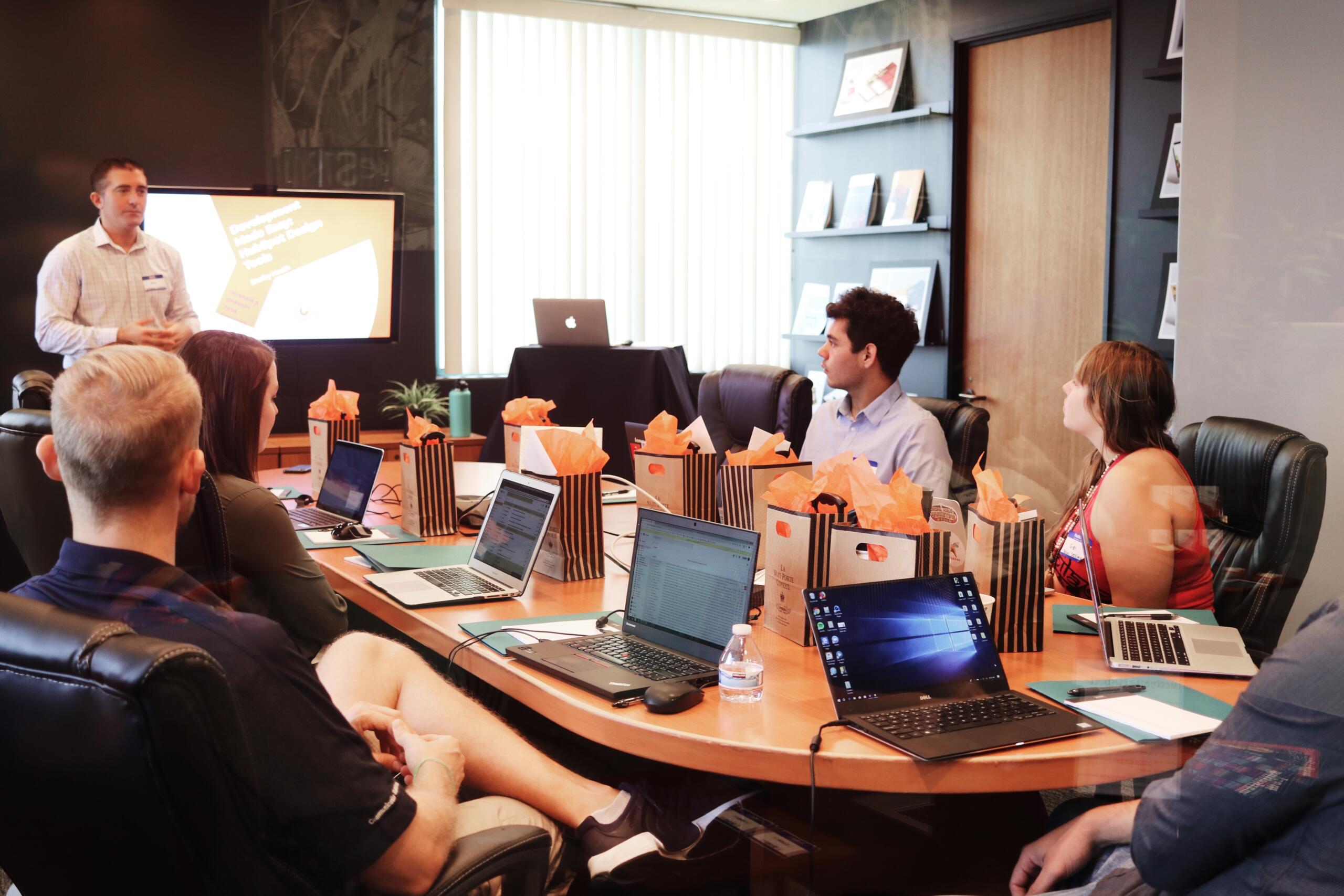
Featuring insights from Talk Shop’s recent workshop, Modern Day PR | The Power of Answer Engine Optimization
As we look ahead to 2026, one truth is becoming impossible to ignore: the era of AI-discovery has arrived. Consumers, journalists, and decision-makers are no longer relying solely on Google to find information. In fact, they’re preferring answer engines and AI tools like ChatGPT, Gemini, and Perplexity, asking them complex questions and receiving authoritative answers in seconds. This shift is redefining how brands are found, understood, and evaluated. We’re seeing this firsthand at Talk Shop.
This post, the second in Talk Shop’s series on Answer Engine Optimization (AEO), explores what this evolution means for marketers building their 2026 strategies. Drawing on insights from our recent talk, Modern Day PR | The Power of Answer Engine Optimization, we break down why optimizing for answer engines is no longer optional and how brands can position themselves as the experts AI chooses to amplify.
The New Front Door to Discovery
Traditional search has long centred on keywords and clickable rankings. Marketers have packed their websites, blogs, and even press releases with keywords to maximize their SEO. But with the rise of AI-powered answer engines, consumers are entering the funnel through an entirely different door: conversational queries. Rather than sifting through pages of results, consumers rely on AI to summarize and evaluate information for them.
Industry forecasts highlight how quickly this shift is accelerating. By 2026, AI answer engines are expected to account for a significant portion of global web traffic, while organic search continues to decline. At the same time, according to data from KPMG Canada’s Generative AI Adoption Index, one in fiveCanadians already use AI tools daily for recommendations, whether they’re comparing products, researching services, or validating insights from the news.
In this new landscape, visibility is no longer about where you rank. It’s about whether AI tools can find your content, understand it, and trust it enough to cite it. Long gone are the days of volume, volume volume - now it’s all about trust, authority, and recency.
Earned Media: The Engine Behind AI Authority
One of the most critical takeaways from our AEO research, and a centrepiece of our recent talk, is the crucial role earned media plays in shaping AI visibility.
A 2024 Muck Rack study found that 95% of links cited by AI tools come from non-paid media sources, and 89% of those originate from traditional journalism outlets. This means the same stories that shape public perception are now shaping AI outputs, a true reflection of where we are as a society. What would you trust more? An independent journalist review of a product, or a full page ad?
For marketers, this is a profound shift. Earned media has always built credibility, but in the age of answer engines, it does much more:
- It trains AI models on who you are and what you’re known for.
- It signals authority, recency, and expertise - three core criteria AI uses to choose citations.
- It increases the likelihood of your brand appearing in industry-relevant answers, not buried beneath competitors.
In other words, PR is no longer adjacent to digital strategy; it’s central to how AI understands your brand.
How Brands Can Prepare Now: Your 2026 AEO Audit Checklist
The acceleration of AI-driven search means AEO can’t wait until 2026 planning cycles; it needs to start now. The good news? A few focused steps today can set your brand up for significantly stronger visibility in the year ahead.
Start with a simple AEO audit:
- Ask AI about your brand.
Search your company, your leaders, and your products in your preferred answer engine. What’s accurate? What’s missing? What’s outdated? - Assess your earned media footprint.
If AI relies heavily on reputable journalism to cite information, do you have enough recent, high-quality coverage for it to pull from? - Review your website structure.
Look for gaps in schema markup, metadata, and entity alignment that may prevent AI from accurately categorizing your content. - Evaluate your thought leadership.
Are you publishing expert-backed, insight-rich content that positions your team as authorities in your space? - Check for consistency across channels.
AI favours brands that appear consistently across all channels, including owned, earned, social, and web.
Brands that begin this work now will enter 2026 with a clearer, stronger, and more authoritative digital presence, one that AI recognizes and amplifies. Those who wait may find themselves overlooked not just by audiences, but by the answer engines shaping what those audiences see.
The Competitive Advantage for Early Adopters
The acceleration of AI search means marketers can no longer treat AEO as a “future consideration.” It is already reshaping how people discover products, evaluate companies, and make decisions. Brands that adapt their strategies now will earn a significant competitive edge in 2026 and beyond. Those who delay may find themselves invisible not only to consumers but also to the AI engines that shape public knowledge.
At Talk Shop, we’re helping organizations navigate this shift by combining PR excellence with AEO best practices, ensuring the content you produce and the stories you share are understood, cited, and trusted by both people and AI.
AEO is not just the evolution of search; it’s the evolution of brand visibility. And in 2026, it’s not the brands that are the loudest but the brands that are the most trusted who will end up on top.

























Let’s Talk Shop.