Why In-Person Experiences Matter More Than Ever
Brands are putting more of their budgets back into real rooms. The reason is simple: people trust what they can see, taste and touch. Feeds are crowded. Ads are easy to scroll past. Attention is harder to earn on a screen than ever.
This summer and fall, we saw that play out for three very different brands. Lavazza turned 10 days at TIFF, one of the world's biggest film festivals, into a coffee experience that collected nearly 12,000 leads. King Living opened its first showroom in a French-speaking market with a launch evening built for media, creators and the design community. And Prollenium took Château Prollenium, its invitation-only evening for aesthetics practitioners, to Dallas and New York.
Here is what we learned about why in-person still works, and how to make it pay off.
What is experiential marketing?
Experiential marketing is a strategy that builds brand relationships through live, hands-on experiences people choose to take part in.
It includes brand activations, pop-ups, showroom launches, festival partnerships, media previews and private events. The common thread is participation. People don't just see the brand. They spend time with it.
Done well, experiential marketing is not a one-night moment. It feeds earned media, influencer content, social and lead generation long after the doors close.
Why are in-person events on the rise?
Marketers are spending more on live experiences in 2026, but they are running fewer, bigger, better ones.
- 84% of consumer marketers and 86% of B2B marketers plan to increase event spending in 2026 (EventTrack 2026, via Snapbar).
- 55% of B2B marketers will keep the number of events flat and focus on higher-impact experiences (same source).
- Leads and data capture are now the top success metric for consumer events, ahead of foot traffic (same source).
- In the UK, events were the fastest-growing marketing category in Q1 2026 (IPA Bellwether, via Snapbar).
- 75% of people feel more connected to a brand after an in-person experiential event (Cvent).
The takeaway: brands are not chasing more events. They are chasing events that do more. That means experiences built to earn media coverage, create content and capture real leads, not just fill a room.
In-person in action: Lavazza at TIFF
For Lavazza, a busy booth was never the goal. The goal was turning festivalgoers into people the brand could keep talking to. At TIFF 2026, Lavazza collected 11,900 leads and earned a 67.4% share of voice across festival coverage, more than three times its nearest competitor.
Lavazza returned in 2026 as TIFF's Official Coffee Partner and added a new role as Gala Presenting Partner. Talk Shop built an integrated program around that bigger footprint, combining experiential activations, media relations, creator partnerships and social.
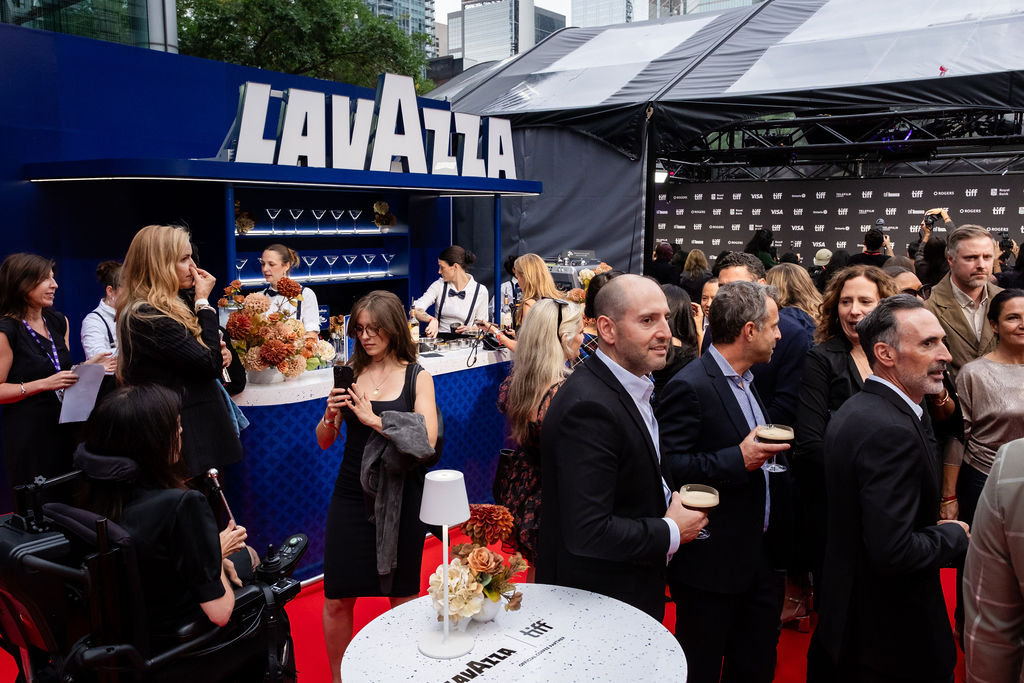
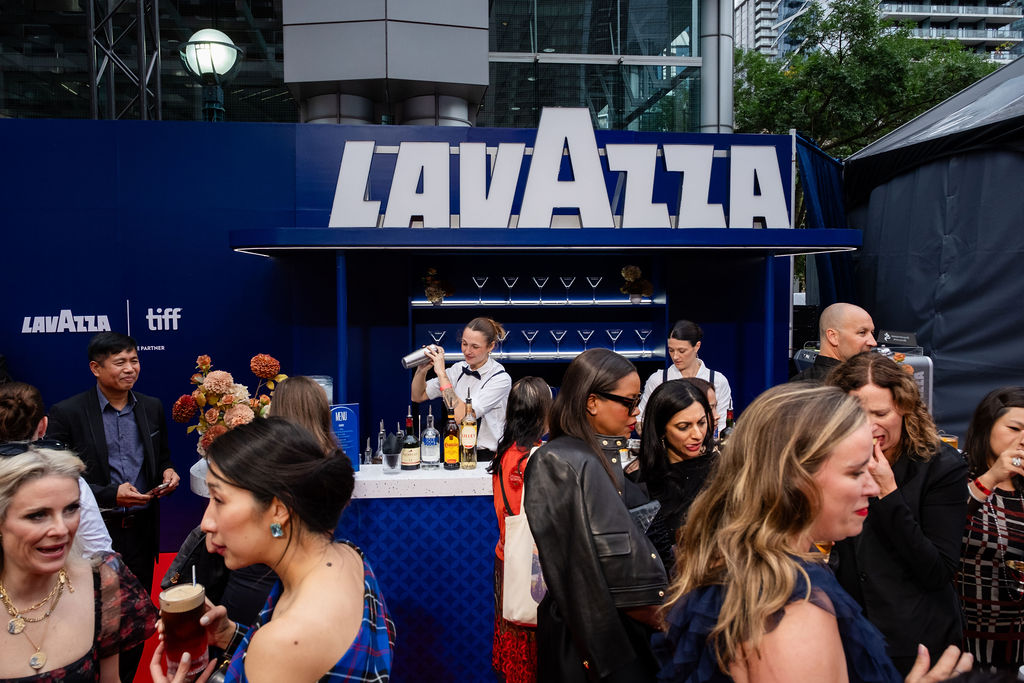
The centerpiece was Cinema Lavazza, a public activation designed like a classic movie theater lobby crossed with an Italian café, open 12 hours a day for 10 days. Guests sampled Cold Brew and Qualità Oro, stepped into a photo booth and could enter to win a year's supply of coffee. The photo booth was the main source of leads, so sharing contact details became a natural part of the visit instead of an extra ask.
Lavazza also showed up where the festival's biggest moments happen. The first-ever Lavazza Red Carpet Bar served 2,923 drinks across 24 red carpets. A bar in the main space of the Opening Gala reached an estimated 2,500 to 3,000 guests. A three-day pop-up at a major transit hub served 2,747 commuters, with weekday rush hours drawing 2.5 times Sunday's volume.
The results went well beyond attendance:
- Lavazza collected 11,900 leads across its TIFF lead-generation forms in September 2026
- Follow-up newsletters earned a 5.03% click-through rate, 62% above the 3.10% benchmark
- Lavazza's share of voice rose from 25.2% in 2025 to 67.4% in 2026, measured against the same five brands
- Earned media reach grew from 1.1M in 2025 to 5.4M in 2026
- Creator content averaged a 2.7% engagement rate, up from 1.5% in 2025
- About 28,000 people visited Lavazza's activations, and 22,000 samples were served, up 10% from 2025
Lavazza's TIFF partnership now runs through 2028, which makes year-over-year learning part of the plan.
In-person in action: King Living's North American showrooms
For King Living, the showroom is the story. Getting the right people through the door has helped drive 486 pieces of media coverage and more than 126M impressions in 2026 so far.
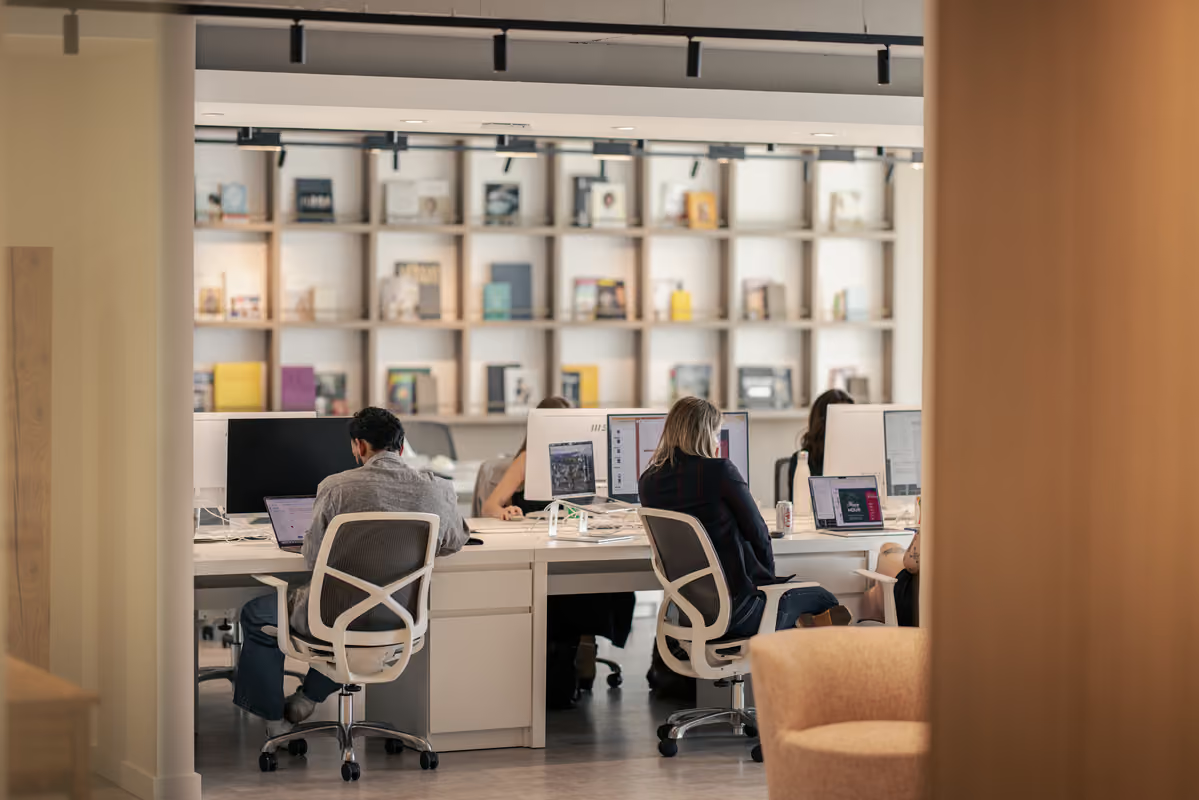
King Living is an Australian furniture brand with nearly 50 years of design behind it. Its pieces are built to last, with steel frames, replaceable covers and a 25-year warranty. That kind of quality is hard to convey in a photo. It lands when you sit on the sofa.
So the strategy has been simple: bring people in. Talk Shop built relationships with top design and lifestyle media, then invited them into the showrooms. Coverage followed.
On September 24, 2026, King Living celebrated its first showroom in a French-speaking market with A Design Evening with King Living. We partnered with a local event planner and PR team to build a guest list of the media, creators and design professionals who shape taste in the market. Instead of speeches, guests got guided showroom tours, live product demos, a live-embossed leather notebook station and a Polaroid moment. Most stayed until close.
The room was small by design, and it delivered:
- 50 guests posted 56 Instagram Stories from the evening, generating 1.6M social impressions
- Four media outlets confirmed coverage or long-lead features after attending
- Six creators asked to partner with King Living after the event
The evening capped a bilingual launch. Talk Shop wrote the press release and media pitches in French and English, and three local French-speaking creators shared King Living with their communities at a 1.3% engagement rate. French-language videos with English subtitles performed best.
The event didn't end when the night did. The creators who asked to partner give the showroom a ready list of local voices for ongoing showroom and at-home content.
Across North America, the work has grown from media relations into showroom events and 16 influencer partnerships, with another showroom opening in November 2026.

In-person in action: Château Prollenium
For Prollenium, the audience that matters most is the injectors, dermatologists and medspa owners who decide which products they trust in the treatment room. In 2026, Château Prollenium brought 235 guests together across two cities and generated more than 2.7M social impressions.
Prollenium is the Canadian manufacturer behind the Revanesse dermal filler line and VAMP regenerative skincare, and the first FDA-approved dermal filler manufacturer in North America. Practitioners judge a filler by how it performs in skilled hands, which is hard to show in an ad or a brochure.
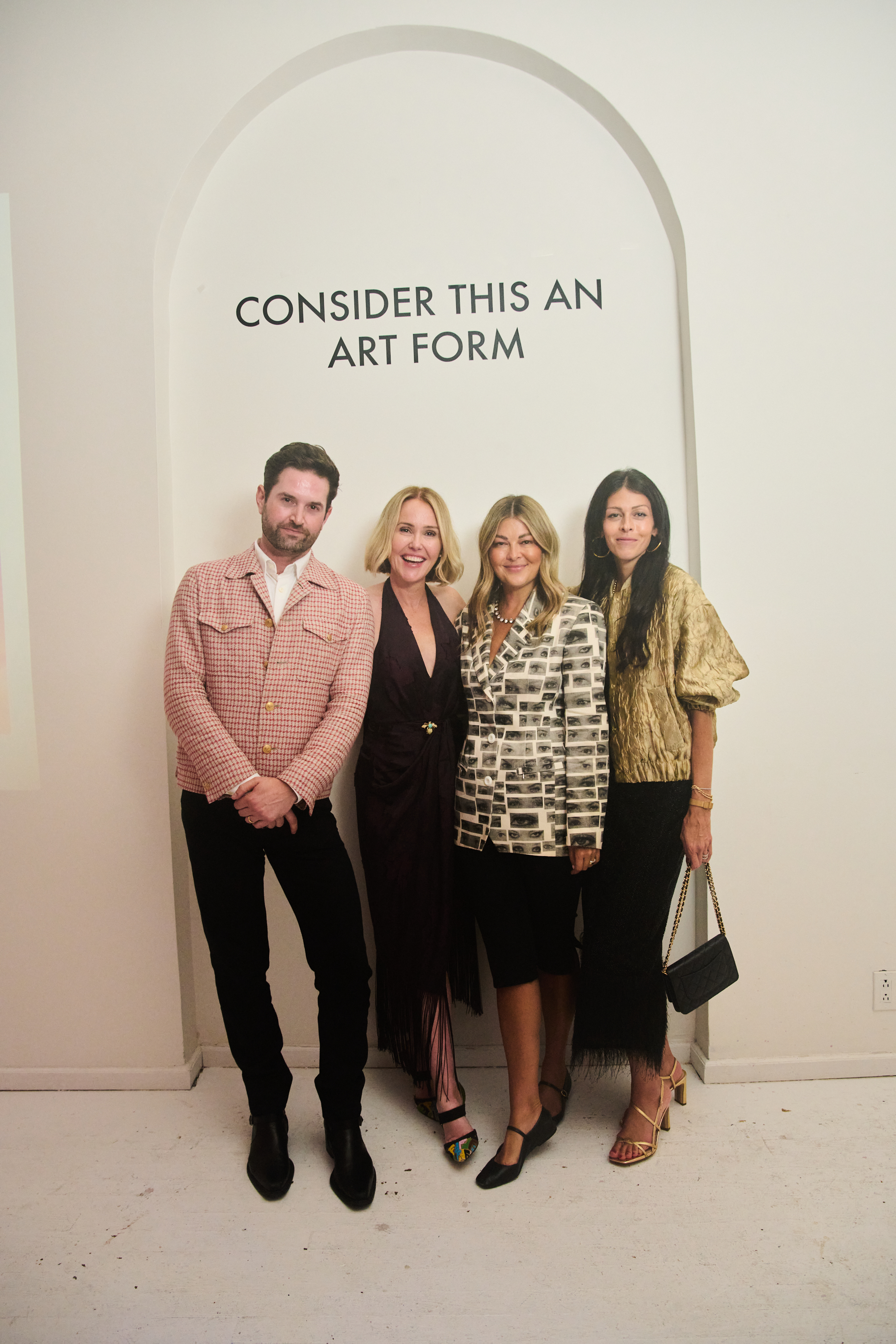
Château Prollenium started as a single evening in Los Angeles. In 2026, Talk Shop grew it into a two-city series of invitation-only evenings for the US aesthetics community, leading strategy, guest and key opinion leader (KOL) relations, media relations and social, with Savoir Agency producing. In Dallas on September 10, "The Reserve" brought an equestrian luxury concept to The Mason, with a live masterclass by Dr. David Saadat. In New York on October 1, "Imagine the Possibilities" took over The Imagine House, John Lennon and Yoko Ono's former SoHo loft, with regenerative aesthetics demos by Dr. Arthur Swift. Both evenings featured The Performance Lab and Anatomy of Balance, two experiences built for the series.
The evenings paired a luxury brand experience with clinical education guests could take back to their own practices, and the results followed:
- 235 guests from 78 KOL and customer practices across Dallas and New York
- New York drew 145 guests against a goal of 100
- 36 attending KOLs and creators published 88 posts, generating 2.7M+ social impressions and an estimated $40,500 in earned media value
- The Dallas announcement earned 265 syndicated pickups with a potential reach of 77M
The work continued after the night. Four KOLs posted carousels about the New York evening, and editors who couldn't attend were invited to a VAMP Advanced treatment day on November 3, where seven received treatments.
What makes an in-person experience pay off?
The events that work are designed for what happens after the night, not just during it.
- Start with a business outcome. Awareness, leads, media coverage or a market launch. Each one shapes a different room. Lavazza's room was built around lead capture from the start.
- Invite the right people, not the most people. For King Living, 50 well-chosen guests produced 56 Instagram Stories, four confirmed stories and six creator partnership leads.
- Give people something to do. Taste it, play it, sit on it. Participation is what turns a visitor into someone who remembers you.
- Build in a reason to share. Photo moments, creators on site and media previews extend the reach far beyond the guest list.
- Capture the connection. A game, a sign-up or a follow-up invite turns attention into a relationship you can keep building. Lavazza's photo booth and coffee giveaway turned festival visits into 11,900 leads.
- Plan the follow-through. Coverage, content and collaborations should be mapped before the doors open.
How do you measure an in-person experience?
Measure what happened in the room and what it created afterward.
- In the room: attendance, samples or product trials, dwell time, gamified participation, leads captured.
- After the room: earned media coverage, share of voice, creator and user-generated content, social engagement, follow-up collaborations.
- For the business: leads, sign-ups, newsletter clicks, store visits, sales inquiries, and growth year over year.
Year-over-year comparison is where the value shows. In one year, Lavazza's share of voice at TIFF went from 25.2% to 67.4%, and the leads it captured now feed a newsletter that beats benchmark click-through by 62%.

The bottom line
Screens can introduce a brand. In-person experiences are where people decide to trust it.
The brands getting the most from events in 2026 aren't doing more of them. They are designing each one to earn coverage, create content and start relationships that last past the night.
Frequently asked questions about experiential marketing
What is experiential marketing? Experiential marketing builds brand relationships through live, hands-on experiences people choose to take part in, such as activations, pop-ups, showroom launches and festival partnerships.
Are in-person events still worth it in 2026? Yes. Most marketers plan to increase event spending in 2026, and 75% of people say they feel more connected to a brand after an in-person experience.
How is experiential marketing different from a regular event? An event gathers people. Experiential marketing is designed around participation and what happens next: media coverage, creator content, leads and lasting relationships.
How do you measure the ROI of an in-person event? Track on-site results like attendance, trials and leads, then what the event creates afterward: earned media, share of voice, social and creator content. Compare year over year. Lavazza's TIFF program, for example, grew from 25.2% to 67.4% share of voice in one year and collected 11,900 leads.
How does PR support experiential marketing? PR brings the right media and creators into the room, shapes the story they tell, and extends the experience to audiences who weren't there.
What types of brands benefit most from in-person experiences? Brands whose product is best understood through the senses or in a space, such as food and beverage, furniture and design, retail and hospitality, see the clearest lift.


Let’s Talk Shop.